
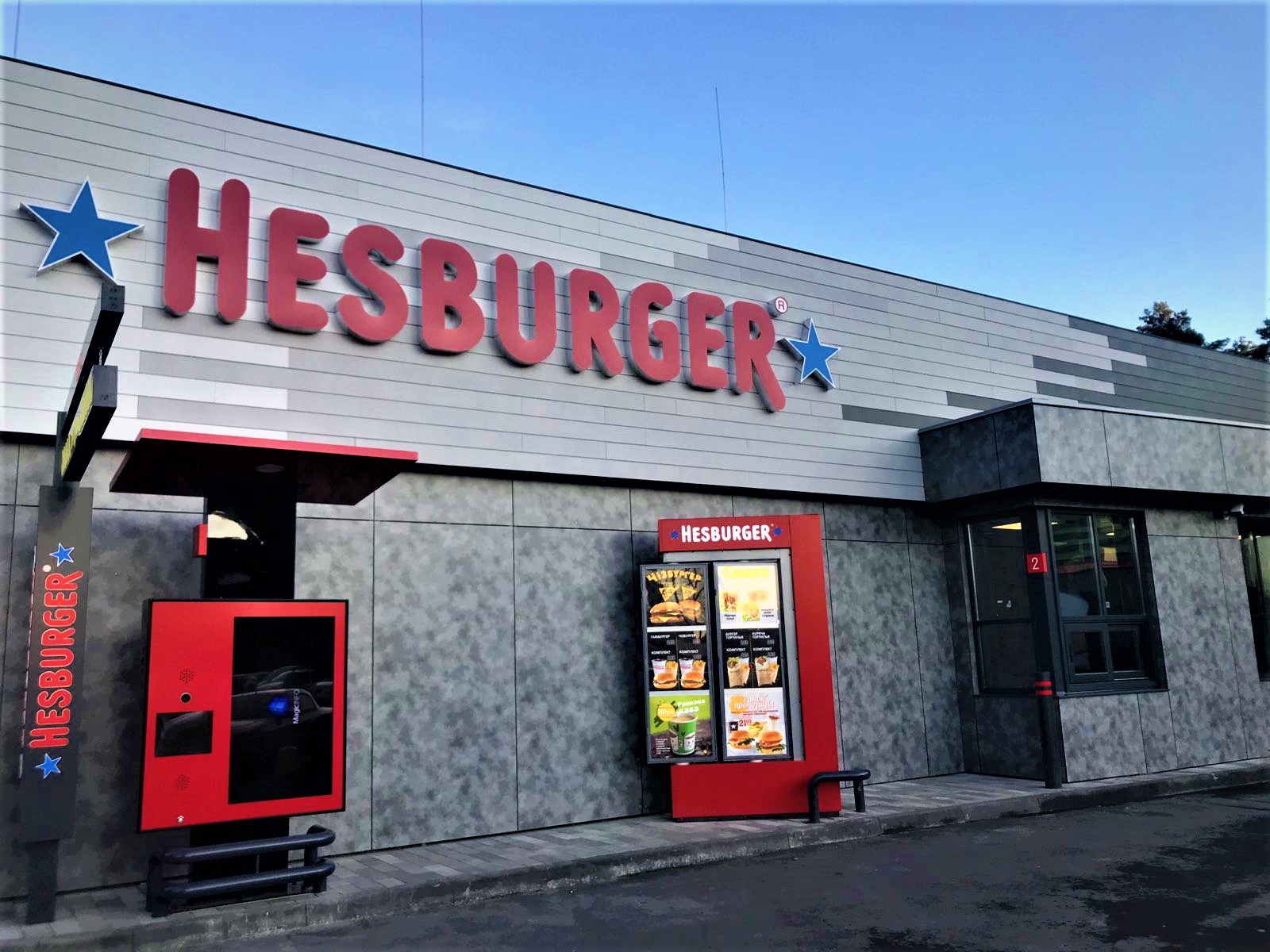
The facades of modern buildings are no longer just about protection; they are the defining feature that sets the structure’s identity and aesthetic value. In this realm, High-Pressure Laminate (HPL) panels stand out as the material of choice, offering a perfect combination of durability, design flexibility, and cost-effectiveness. However, the long-term success of your project hinges on selecting the right HPL Facade Manufacturer.
This blog post will guide you through the critical factors to consider when evaluating an HPL Panel Manufacturer, ensuring you find a reliable partner that delivers certified, aesthetic, and enduring solutions for your construction needs.
1. Quality and Durability: The Core of the Manufacturing Process
The quality of the panels offered by an HPL facade manufacturer is directly linked to their production standards. HPL is formed by bonding multiple layers of resin-impregnated kraft paper under intense pressure and heat. For exterior applications, ensure the panel possesses these critical attributes:
- UV Resistance (The Sun Test): Exposure to sunlight can cause color fading (discoloration). You must verify that the manufacturer’s exterior panels utilize high-grade UV protective overlays (such as specialized acrylic films). This is vital for maintaining the panel’s vibrant color and finish over its extensive lifespan.
- Weather and Moisture Resistance: The panels must be highly resistant to moisture absorption, extreme temperature fluctuations, and freeze-thaw cycles to prevent warping and degradation.
- Impact and Abrasion Resistance: Especially for ground-level facades and high-traffic areas, high impact resistance is crucial to minimize maintenance costs over time.
2. Certifications and European Compliance are Non-Negotiable
A manufacturer’s adherence to international standards is solid proof of their commitment to quality and safety. When choosing an HPL Panel Manufacturer for the European market, demand the following certifications:
- The EN 438 Standard: This is the core European standard defining the technical specifications and test methods for exterior HPL panels. Compliance ensures the product meets established quality benchmarks.
- Fire Safety Classification (Euroclass): Fire safety is paramount. Look for panels rated B-s1, d0. This superior classification signifies that the panel is difficult to ignite, generates minimal smoke, and does not produce burning droplets—a necessity for residential and commercial projects across the EU.
- Sustainability and Environmental Standards (ISO): A responsible manufacturer will hold ISO 9001 (Quality Management) and ISO 14001 (Environmental Management) certifications, demonstrating a commitment to quality processes and eco-friendly manufacturing.
3. Design Flexibility and Product Range
The facade is the building’s signature. Therefore, the HPL panel manufacturer you select must offer extensive design freedom:
- Diverse Decors: Look beyond basic colors. The manufacturer should offer an expansive collection of decorative panels, including ultra-realistic wood, natural stone, metallic effects, and a broad spectrum of uni-colors.
- Surface Textures: The availability of matte, gloss, or specialized textured finishes adds depth and character to your design.
- Customization Capabilities: Manufacturers that offer digital printing services allow you to incorporate unique patterns or corporate branding directly onto the laminate panels, offering a customized architectural statement.
4. Operational Excellence: Logistics and Technical Support
Partnering with a top manufacturer involves more than just buying a product; it’s about securing reliable technical support.
- Supply Chain Reliability: For large-scale projects, consistent supply and on-time delivery are essential. A reliable manufacturer must demonstrate robust logistics capabilities, especially for markets like France, Germany, and the UK.
- Technical Assistance: Proper installation of HPL cladding in ventilated facade systems requires expert knowledge. Inquire about the manufacturer’s provision of detailed installation guides, technical drawings, and on-site consultation to prevent costly application errors.
- Warranty: Always look for a comprehensive, written warranty (typically 10+ years) that covers material and manufacturing defects. This ensures long-term security for your investment.
Conclusion: Partnering with the Right HPL Manufacturer
When evaluating HPL Facade Manufacturers, remember that the cheapest option is rarely the best long-term choice. Selecting a partner who combines superior material quality with robust certification, design flexibility, and reliable operational support will ensure your HPL-clad project is not just aesthetically successful but also structurally safe and enduring for decades to come.

Leave a comment